


















 Login
Login
 Cart
Cart
In the bustling digital marketplace of 2025, eCommerce isn’t just about selling products; it’s about crafting unforgettable journeys that turn one-time browsers into lifelong customers. With global online sales projected to hit $7.4 trillion this year, the pressure is on for brands to stand out. Enter Shopify, the powerhouse platform powering over 2 million stores worldwide. But what truly sets Shopify apart isn’t its core features; it’s the App Store, a vibrant ecosystem of over 12,320 apps as of January 2025 that’s revolutionizing how merchants build hyper-personalized, seamless shopping experiences. This isn’t hyperbole; it’s the future of eCommerce unfolding in real time. From AI-driven product recommendations to AR try-ons, the App Store empowers even solo entrepreneurs to rival enterprise giants like Amazon in customization.
Imagine a small fashion boutique in Brooklyn using an app to suggest outfits based on a customer’s weather, past purchases, and Instagram likes, all without a single line of custom code. A gadget retailer could deploy virtual reality previews that let shoppers “test” devices in their living room. These aren’t sci-fi fantasies; they’re everyday realities fueled by Shopify’s open architecture. As we dive into this post, we’ll explore how the App Store has evolved, spotlight key apps transforming user experiences, share real-world case studies, and peek at 2025 trends that promise even more innovation. Whether you’re a seasoned merchant or just dipping your toes into online retail, understanding this ecosystem could be your ticket to exponential growth.
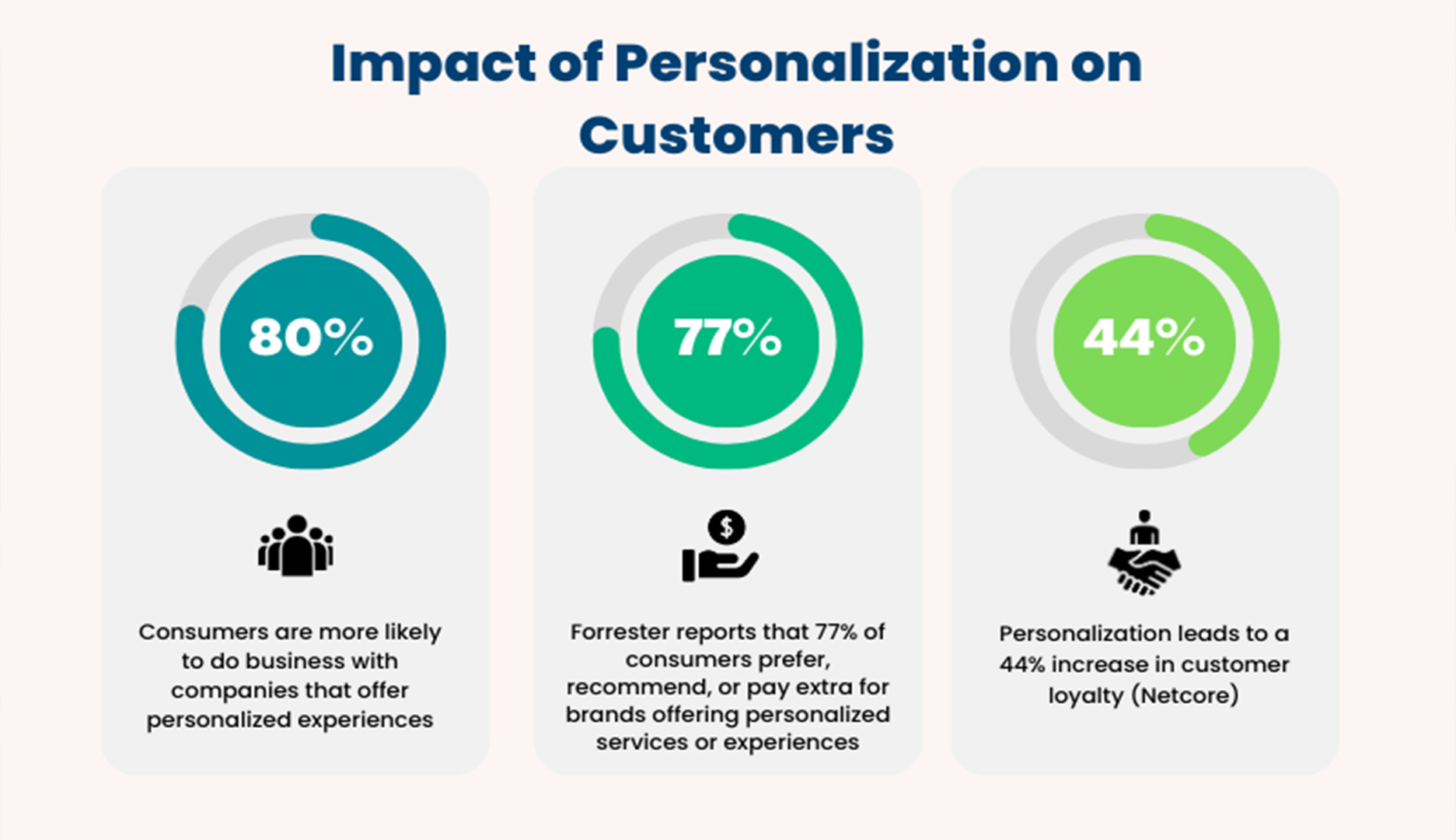
The App Store’s magic lies in its democratization of development. Launched in 2010 with a handful of integrations, it has ballooned into a goldmine for third-party developers. Today, it boasts a 24.17% year-over-year growth spurt, with apps spanning everything from inventory management to social selling. Merchants can mix and match these tools like Lego bricks, creating bespoke stores that adapt to niche needs, be it subscription boxes for eco-conscious consumers or flash sales for streetwear drops. This flexibility is crucial in an era where 80% of shoppers expect personalized interactions, yet only 20% of brands deliver them effectively. Shopify’s rigorous 100-checkpoint review process ensures quality, while personalized recommendations based on store data make discovery a breeze.
But why does this matter for the future? In a post-cookie world, where data privacy reigns supreme, customization isn’t optional—it’s survival. The App Store shifts power from monolithic platforms to agile innovators, fostering an economy where developers earn millions (top apps rake in seven figures annually) and merchants see ROI through boosted conversions and loyalty. As we hurtle toward a $10 trillion eCommerce landscape by 2028, Shopify’s App Store isn’t just shaping experiences—it’s redefining commerce itself. Buckle up; let’s unpack how it’s happening.
The Evolution of Shopify’s App Store: From Niche Tools to Ecosystem Powerhouse
The App Store is not the heartbeat of e-commerce that came instantly to Shopify. It began as a modest directory in 2010, adding features like email marketing on top of or optimizing SEO on extensions previously purchased by merchants. In 2025, it will be a massive megalopolis of innovation, topping 12,320 applications in the Shopify App Store as of January 2025, representing a 27% year-over-year growth from 2024, an explosion of growth as the Shopify merchant base expands 9% per year in Q2 2025 alone. This development is reflective of greater trends in digital retail: from flat websites to dynamic, data-driven services.
These are pivotal stages that have spurred this change. Shopify launched the App Bridge in 2017, a JavaScript framework that made integrations easier and cleaner by presenting them as apps, rather than as bulky pieces of software. During the pandemic-enhanced boom in e-commerce by 2020, app submissions were set to increase 50% as brands digitized. Shopify Functions, launched in 2023, enabled developers to add their custom logic to checkout flows directly and introduced new types of hyper-targeted experiences, such as dynamic pricing based on user behavior. Shopify paid out more than $1 billion to developers in 2024 alone, underscoring how deeply the platform now depends on its developer economy and ecosystem for innovation.
Marketing and Conversion
The current structure of the store is merchant-centric. There are 20+ buckets (including Store Design (to make it look good), Marketing and Conversion (create traffic and sell) apps. Instead, it makes suggestions, based on industry, revenue, and pain points, recommending apps that are powered by AI, and would suggest Oberlo alternatives to a dropshipping beginner, and personalization suites to a fancy brand. This has been applied to personalization in their pricing models: 40% of apps can be used freely, ranging from plans starting at 5/month all the way to enterprise-level plans.
The effects of this on the economy are profound. Since the beginning, developers within the ecosystem have made more than $1 billion and are estimated to approach half a billion dollars by 2025. To a trader, it is easy access to luxury. Install an app via drag-and-drop with no dev team required – morph your store. This has made the business a case of even-handedness, allowing your solopreneur in an emerging market actually to compete with Notware startups in Silicon Valley.
App fatigue
Nevertheless, evolution will bring challenges. There really is such a thing as app fatigue, with thousands of apps to choose from. Shopify is ready to respond with tools that highlight and flag problems, such as the App Health report that highlights underperformers sucking up resources. In the future, anticipate more thorough integrations with new technologies such as NFT-gated shops, but voice commerce ordered via Alexa. The App Store isn’t static – it’s a living thing: it adapts with merchant feedback and sea waves of technology to keep custom e-commerce available and on the cutting edge.
In essence, this evolution highlights another Western mainstream fact: customisation is no longer a luxury but the standard. According to one X user, a Shopify professional, in the new thread, they are not extras; as he puts it, custom theme edits and app integrations are the glue between growth. By creating cooperation between Shopify, developers, and users, the App Store has helped to create an age in which every store tells its own unique story.
Key Categories and Apps Revolutionizing Custom Experiences
At the heart of the App Store, there are categories that are directly responsible for customization and the transformation of generic templates into customized masterpieces. The store design is ahead of the pack, with apps that facilitate everything from mega-menus to building out with infinite scroll tech. In this case, retailers create visual identities that sell well, say, parallax effects on craft brands or minimalist grids on tech merchants. Shoppers are 44% more likely to add items to cart after interacting with products in 3D, showing how immersive design elements directly enhance engagement and conversion.
Further, the pride of conversion, Marketing and Conversion Apps, are the marketing conversion kings that integrate personalization and persuasion. Use product recommendation engines: such engines can look at the browsing history and recommend You might like carousels, and these can increase average order value by 20-30%. Segmentation tools, on the other hand, try to divide the audiences for targeted emails or pop-ups, for example, cart abandonment nudges with personalised discounts.
Let us highlight exemplary applications that influence such experiences. ReCharge: Store does offer recurring billing with custom subscriptions, which is well-suited for beauty boxes or meal kits. With a score of 4.9/5 and 20,000+ installs, it’s been game-changing from one-off sales to steady revenue streams, as is the case with Dollar Shave Club clones.
- Lastly, Klaviyo owns email and SMS personalization. AI identifies likely churners to design the combinations needed for personalized trigger journeys, like “Welcome back — 15% off on your favorites.” Merchants claim 6x ROI with trouble-free Shopify Syncs – a no-brainer for data-driven personalization.
- For basic visual appeal, PageFly is equipped with drag-and-drop page building. Quality: Spring Sale: Copy some design landing pages with blocks that change seasonally and use only those. Rated 4.9/5, a favorite for developing immersive experiences, such as interactive quizzes used to take shoppers to something perfect.
- Nosto: Nosto is a tool that uses machine learning to hyper-target content. Auto Banners, which can dynamically change based on location or device, transform an otherwise generic home page into a VIP lounge. For example, a large European fashion retailer gained 25% more engagement after installation.
- Never ignore Bold Product Options. This gem includes custom fields like engravings or bundle builders, allowing customers to co-create products. From jewelry brands to apparel brands, it’s a game-changer as it will enable customers to make smarter choices, and it therefore increases perceived value and reduces returns.
- Emerging stars: Printful, Print-on-Demand customization. Upload artwork, integrate with Shopify, and provide custom merchandise – like custom T-shirts with shoppers’ pictures embedded into them. It’s blowing up for creators (zero inventory risk; 4.7/5 stars; $M in sales facilitated).
- Yotpo comes last for personalisation of social proof. Curating user-generated content into shoppable galleries, customising feeds for individual tastes. Brands like MVMT watches have used it to create real and personalized stories that generate 4x more conversions.
- Gorgias: Engaging with AI chatbots that remember past discussions and anticipate support needs, such as “Based on the size history, try this.” It enables proactive, not reactive, personalization.
- Finally, using Loox allows for the addition of video uploads to photo reviews, which will make trust signals more personalized. Earlier components: People think the shoppers are seeing real people, similar to themselves, which both reduces skepticism and boosts sales by 15%.
Real-World Case Studies: Apps in Action
Nothing speaks about the effects of the app store like stories from the trenches. Steal DECKED, the rugged storage brand. In 2023, they will migrate to Shopify and implement custom apps based on product configurators, allowing truck owners to see what the bins will look like in their trucks using AR previews. The result? A 300% DTC growth spike with customized orders surging 40% with apps such as Bold Product Options and a bespoke AR tool from the store. DECKED credits the ecosystem: “Shopify apps allow us to launch features so quickly, make changes, and have them turned into features overnight.
In the new continent, Allbirds – the sustainable shoe brand – used the mastery of personalization on Klaviyo and Nosto. By dividing buyers into segments of eco-conscious consumers and providing recommendations from the foot scans (through integrated apps), they designed journeys such as “Your perfect sustainable stride: Try these in recycled wool.” There was a 28 percent increase in conversion and a 35 percent increase in repeat purchase, which reveals that there is nothing like apps to rescue data.
Smaller players shine too. Gymshark is the disruptor in the fitness apparel industry. For subscription tiers, they use ReCharge, and for influencer-based reviews, they use Yotpo to create a community-centric store where they can customize their workout kits with motivational quotes. The use of app synergies resulted in a 150% increase in revenue in 2024, which X buzz refers to as the gold standard of eCom personalization.
In the name of beauty, Glossier turned to PageFly and Loox to make shoppable lookbooks. Customers post themselves in for virtual try-ons, then purchase customized sets. This virality applied to the app, generating 4 million UGC pieces, which increased engagement by 50% and sales by 22%. According to one case study, these tools have transformed passive browsers into co-creators.
Technology gadgets win love by Printful, Gorgias. A startup such as Peak Design utilised print-on-demand for ordering custom camera straps and AI to tackle queries during troubleshooting. The return fall was 18 percent, and custom orders increased, showing how apps reduce friction in multitasking categories.
These tales aren’t anomalies. By early 2025, there had been more than 30 studies showing that app adopters experience 25-40% increases in key metrics. From Glossier’s selfie magic to DECKED’s AR wizardry, the App Store is a testament to the idea that customization doesn’t scale down – it accents and embraces it, from the bootstrapped to the billion-dollar brands – and that experience lies at the heart of things made with endless elasticity.
Emerging Trends: 2025 and the Horizon of Hyper-Customization

As we move into the midpoint of 2025, the App Store is heading towards integration of AI, seamlessness, and sustainability, at Litson’s top pick: artificial intelligence-based individualization. We are already seeing AI being embedded into applications like Shopify Magic and Sidekick, which automatically extract information based on an end-user’s feelings from product descriptions or chatbot conversations. Expect apps to be developed, Ping what people need – eg, suggesting eco-swaps to green shoppers, leading to 30% increased retention.
Similarly, Headless commerce is another trendy juggernaut. Decoupling frontends from the backends with the help of apps like Hydrogen, merchants build PWAs for lightning-fast and cross-device experiences. According to a trend report in 2025, 60 per cent of customers can go their own way with custom UIs, like voice-controlled shopping carts. Mobile now accounts for 69–72% of all online sales on Shopify stores during peak periods, underscoring the dominance of the mobile-first mindset shaping this evolution.
Mobile-first rules, too. Using modern apps, turning Shopify stores into native apps without the code, “Restock alert: Your size in olive green” – push notifications are hyper-personalized. Social commerce with TikTok/Instagram apps – feed becoming your custom store:
Sustainability apps are booming, with everyone maintaining their carbon footprint and making recommendations for ethical alternatives. Unified commerce – Blending online/offline (with apps, Shopify POS extensions, etc) Omnichannel magic – In-store scans trigger online customizations. The subscription e-commerce market is expected to grow to $46.05 billion by 2034, expanding at a CAGR of 9.36%, reflecting the long-term promise of recurring revenue models powered by personalization and automation.
On X, devs push these: AI personalization + Headless = Future-proof stores. Virtual shopping: Hyper-personalization, virtual wardrobes, tokenized loyalty – but by 2026, it’s AR/VR all the way down. These trends are not silos, but symbiotic, with an expected result of an intuitive, inclusive, and ridiculously efficient eCommerce.
Navigating Challenges: The Flip Side of App Innovation
No ecosystem is flawless. Events can sometimes bloat websites, and their load time is directly proportional to the number of apps: Shopify conducts its own audits and has found that, if there are more than 10 apps in a store, they can almost double TTI. Added costs are also the issue; skyrocketing premiums may wedge 5-10% of margins. Privacy laws such as the GDPR require careful app vetting.
But there are many ways to use it: To simplify auditing, the Shopify App CLI is available, and to reduce overhead values, low-code Functions are becoming increasingly popular. The future? From the curation – Matrix garbage to possess thinner and slimmer stacks.
Conclusion
The Application Star of Shopify is taking over bespoke eCommerce by writing the script that searches its soul. Between the freedom of evolutionary development and trendsetting AI, these technologies are providing merchants with facilities that enable them to deliver fascinating and transforming experiences. The payoff is Loyalty/ Revenue/ Relevance, which is evidenced by examples of DECKED and Glossier. Ready to customize? Search the App Store and window shop in Klaviyo or PageFly, and your shop will grow. The future is custom–seize it.
Acowebs are the developers of woocommerce product add-ons which is a optimized, lightweight, and fruitful plugin that is simply the best to add extra product options using its custom form builder easily. woocommerce product options also comes with drag and drop form builder, 22+ field types and custom price formula.