


















 Login
Login
 Cart
Cart
Some of the most-recognized brands in the world sell products that actually aren’t that unique. Their branded product is manufactured by another company making essentially the same product and selling it under multiple brand names.
This rather well-known business model is called white labelling, and it is utilized in many different consumer product categories. White labelling is when one company manufactures products or services, while another, the reseller, distributes them as branded products.
This strategic way of conducting business applies to several industries, including eCommerce, technology, and consumer goods. White labelling is quite an effective method whereby a company can extend its product line without significant investments in long-term research, development, and manufacturing.
White labelling allows a business to focus on brand building, marketing, and customer relations while leaving most of the product-making processes to expert manufacturers.
This guide aims to leverage an understanding of white-label eCommerce, its benefits and challenges, and the practical steps on how to get started, along with real examples of how this is applied and will grow a business.
What is White labelling?
White labelling refers to the manufacture of generic products that can then be sold under different brand names. White-label products could be offered with different logos and branding, but for all intents and purposes, be almost identical, down to even different price tags.
In some cases, white-label manufacturers offer upgrades to the products by applying a brand logo or graphic to the outside to provide differentiation. Sometimes, they also give special discounts to retailers when they buy items in bulk.
Other white-label services will deliver the products directly to the customers after a sale, such as print-on-demand companies. Basically, white labelling gives resellers the ability to sell all types of products without having to develop and manufacture them on their own.
The model is highly beneficial to companies looking to expand quickly into new markets and product lines without losing brand strength.
Why White Label eCommerce?
Choosing white-label products offers a great number of advantages to businesses, thereby making this option attractive for many entrepreneurs. Here are some of the compelling reasons why white labelling might be the ideal solution for you.
1. Cost-Effective Approach
White labelling is inexpensive for starting up a business. This is because it involves selling another company’s products or services with the seller’s brand name. Most of the expensive procedures involved in developing, manufacturing, and marketing a new product are avoided this way.
For instance, a small business planning to sell skincare products can use white labelling to purchase quality, already-formulated skincare products from a reputable manufacturer. Instead of investing a lot in research and development to create their line of skincare products, the business can focus on branding, packaging, and marketing the product as their own.
This significantly reduces the initial financial outlay and risks associated with product development.
2. Enhanced Flexibility
White labelling brings a lot of flexibility. A pre-made product from the manufacturer is bought by you and rebranded as yours. Such an approach has several benefits, starting with product customization.
You actually do have control over how this presentation and selling of the core product that is created by another company are carried out. This, in turn, simply means that you can pick the kind of design, color of the package, and branding elements that best go with your brand image or that your targeted audience will love.
The flexibility of white labelling concerning marketing is what allows one to come up with strategies in line with your brand’s voice and objectives.
Creating a new product from scratch may involve wasting a lot of money and time. White labelling saves you from research and development expenses; therefore, you can invest in other areas like marketing and customer service, yet provide a quality product.
White labelling enables a focus on core competencies. Outsourcing product development and manufacturing will free up more attention to other critical lines in the business-customer engagement, sales strategies, and overall growth.
3. Faster Market Entry
White labelling accelerates entry into the market in that the company would have to brand and sell existing products rather than create new ones. That is to say, the manufacturing process, quality control, and product test are in place, hence leaving businesses to focus on branding and marketing, thus speeding up the time it takes to bring a product to market.
For example, white labelling will allow a grocery store chain to save a great deal of time and expense in selling an organic food line. There is no need to develop products in-house. A store need only partner with an already established manufacturer of organic foods to rebrand its high-quality existing products into store-brand packaging and labels for sale on its shelves.
4. Lower Minimum Order Quantities
One major advantage of white labelling is that the MOQs are almost always low. Since the product has already been made, the manufacturer does not have to set up a new production line specifically for your orders.
For instance, in case you’re just about to bring out a line of cosmetics, then you can white label the lipstick that someone else is already fabricating. White labelling allows one to order small quantities, thereby making it easy and cost-friendly when starting out in business and testing the market.
5. Superior Quality Control
Most established manufacturers that offer white labelling services have years of experience within their industry, which really means that the production process is well-developed and fine-tuned. Such manufacturers will usually have in place a good system of quality control, where there are several checks and balances along the production line to ensure every product meets certain benchmarks of quality.
These standards ensure that regular internal audits and inspections are upheld and guarantee that any problems are identified and rectified before products go out into the marketplace.
Compliance with industry regulations and standards means that the manufactured product will also be safe to use and reliable. This therefore reduces risks of defects and returns, hence saving time and money in the long term by relying on established manufacturers for production.
6. Less Risk
Every kind of business involves some amount of risk, which is brought to the minimum with white labelling. You minimize upfront costs and financial stakes by rebranding the product already proven in the market instead of trying to create new ones from scratch.
Faster time to market enables one to start earning sooner, and if the product is not performing well in the market, one can quickly pivot to another. With development and manufacturing taken care of by the white-label partner, you will have more time to concentrate on branding and marketing, which will enhance the performance of the product in the market.
Moreover, white labelling reduces operational complexities, such as supply chain logistics and regulatory compliance, being managed by the manufacturing partner. For example, if a startup wants to sell smartwatches, it can white label them with some reputable manufacturer, hence reducing the risk of investment and leveraging its credibility to have the product marketed quickly and effectively.
Who Is White Label Ecommerce For?
White label ecommerce suits any business that wants to sell branded products – or operate an ecommerce platform – without becoming a manufacturer or a software company. The main audiences are:
- Solo sellers and side hustlers who want a branded product line without a big capital outlay.
- Store owners expanding their catalog with new categories or seasonal products.
- Agencies and web studios that want a repeatable branded platform instead of rebuilding the stack on every client project.
- SaaS companies adding commerce to an existing product.
- Resellers and consultants chasing recurring revenue from a productized offering with their own name on it.
- Larger retailers and enterprises running sub-brands, regional storefronts, or franchise networks that need to stay on-brand under central control.
White Label vs. Private Label vs. Dropshipping vs. OEM/ODM
These four models are often confused, but they differ on who makes the product, how much you can customize, and what it costs to start. Racklify’s guide to white label, private label, and OEM sums up the trade-off: white label wins on speed, OEM wins on product control, and private label sits between the two.
| Model | Who makes the product | Customization | Inventory | Upfront cost | Best for |
| White label | Third-party manufacturer offers the same generic product to many brands | Branding and packaging only | You hold stock | Lower – no R&D or tooling costs | Sellers who want a branded product fast |
| Private label | Manufacturer produces exclusively for one brand | Product specs can change – formula, design, packaging | You hold stock | Higher – development and testing costs | Brands that want exclusivity and control |
| Dropshipping | Supplier makes and ships orders directly to customers | None – you sell the supplier’s product | No inventory | Lowest – no stock, no MOQ | Testing demand with almost no capital |
| OEM | Manufacturer builds products to your design | Full – your designs, specs, and materials | You hold stock | Highest – tooling, engineering, large MOQs | Companies with unique product designs |
| ODM | Manufacturer offers pre-designed products you can rebrand | You choose from the manufacturer’s existing designs | You hold stock | Low to medium | Semi-custom products without designing from scratch |
The key difference between white label and private label is exclusivity. A white label supplier can sell the same standard product to several retailers. A private label supplier develops a product for one retailer, usually to that retailer’s specifications.
If you want to go deeper on the private label route, read our guide on how to launch a private label brand on Shopify.
White Label eCommerce Examples
1. Dropshipping
White labelling is commonly involved in dropshipping, a retail fulfillment method where a business owner sells branded products of another company without an actual handling process for the stock.
The store owner makes the products available on his website with this agreement. Then, upon ordering, the product is shipped directly to the client from the supplier or manufacturer, usually with the store owner’s brand.
Among the well-known companies using white labelling in dropshipping is Shopify. Shopify provides businessmen with the opportunity to create online storefronts and sell products belonging to different vendors who are responsible for shipping and inventory.
2. Coffee
The coffee business provides a vivid illustration of visible white labelling. Major companies roast coffee beans in their industrial facilities and then sell the beans in bulk. The retailers purchase them, either to resell them straight online or to ground and roast in their neighborhood coffee shops.
The consumer is then sold on the idea that the coffee is unique or custom-branded, while in reality, all of the coffee is produced by the same white-label producer. Because of this, merchants are able to provide a personalized product even though the coffee itself is the same under multiple brands.
Peet’s Coffee is one coffee company that uses white labelling. Within their facilities, Peet’s Coffee roasts and packages coffee beans.
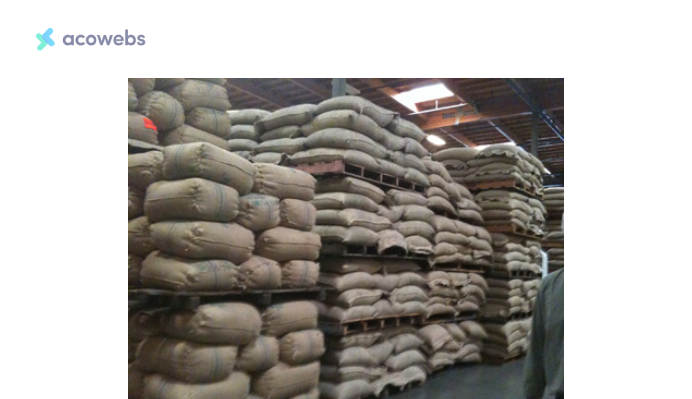
These beans are additionally supplied to other retailers, who repackage and market them under their own proprietary labels.
3. Software
White-label software enables companies to offer cutting-edge software solutions without having to develop them from scratch. It is built by one company and rebranded by others to be sold under other brand names.
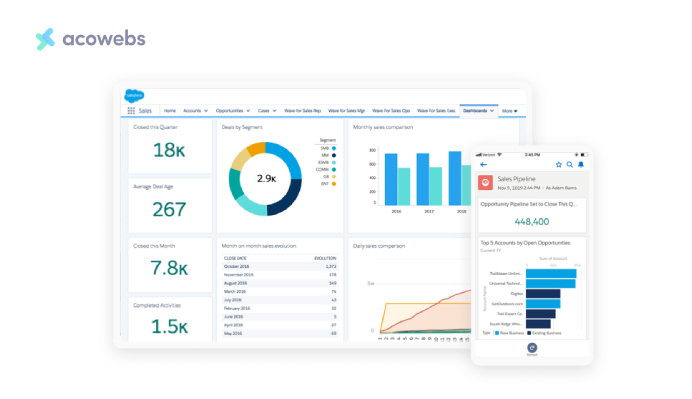
This is typical in the SaaS sector, where businesses license a core platform, brand it as their own, and frequently add unique features. Salesforce, for instance, offers a feature-rich CRM platform that can be customized and rebranded by other businesses.
By utilizing Salesforce’s white-label CRM, a marketing firm may provide its clients with a customized solution that includes exclusive marketing capabilities, all while providing a comprehensive CRM without the need for independent development.
Below are Salesforce cloud software reviews, demos, and pricing representation.
White Label Product Ideas
These product categories are popular for white label ecommerce because manufacturing is complex but branding is simple:
- Skincare and beauty. Manufacturers sell pre-formulated products that you can label as your own line — one of the most common white label sectors.
- Coffee and food. Roasting and production are major undertakings, so many cafés and hotels sell branded coffee from a white label producer.
- Apparel. White label clothing makers design and source the fabric; you add tags, care labels, and branded buttons.
- Supplements. Supplement manufacturers offer pre-formulated capsules and powders that you can package under your brand.
- Print-on-demand. No MOQ and no inventory — the supplier prints and ships your branded designs as orders come in.
- Accessories. Phone cases, bags, and small goods are easy to brand and test at low volume.
Shopify’s guide lists 13 white label products to sell in 2026, including cosmetics, skincare, electronics, household goods, and software.
Best Platforms to Sell White Label Products
Your store platform is where your brand meets your customers, so it matters as much as the product itself.
- WooCommerce gives you full control and plugin flexibility. You own the store, the data, and the customer experience – and you can extend it with tools like product add-ons for personalized options, dynamic pricing for margin-based offers and bulk discounts, and PDF invoices for fully branded invoices and packing slips.
- Shopify offers a faster setup with a hosted, managed platform. It’s a strong choice if you want to launch quickly and don’t want to manage hosting, updates, and plugins yourself.
As a rule of thumb: choose WooCommerce if you want control, custom branding, and plugin-driven features. Choose Shopify if you want the fastest possible launch and are happy to work within its ecosystem. Both fully support white label products – Shopify even publishes its own white label guide for sellers.
Building a white label store? The right plugins make your brand feel native at every step. Add personalized product options with WooCommerce Custom Product Addons, protect your margins with bulk and quantity pricing from Dynamic Pricing With Discount Rules Pro, and send branded invoices with WooCommerce PDF Invoices and Packing Slips
White Label vs. Private Label
White-label products are generic and ready to be sold with a retailer’s branding. Glass tinctures and small pots, for example, are very basic products that can be sold under many different brand names.
Private labelling would do basically the same thing as manufacturing, but it would provide much greater scope for detail in its customization. With private labelling, manufacturers can really go all out in creating products that meet the needs of a retailer by coming up with custom recipes, formulas, and designs.
Kirkland Signature is Costco’s private label brand. These varied products range from foodstuffs to household items, and personal care products.
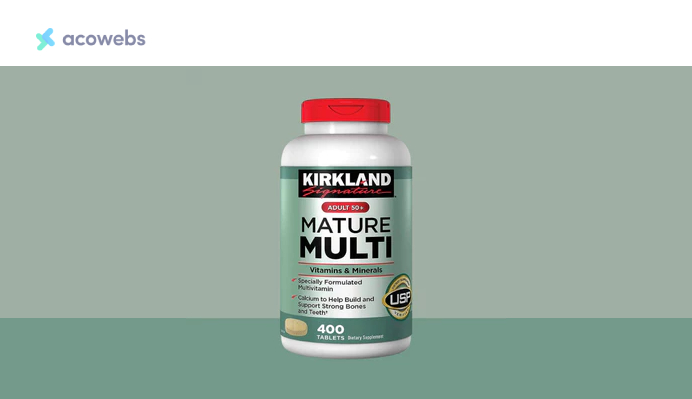
Essentially, these products are made by third-party companies but designed and formulated under very rigorous specifications by Costco.
For example, Costco may collaborate with a manufacturer in developing a proprietary formula for Kirkland Signature vitamins or a coffee blend unique to their quality standards and brand character.
1. Similarities
Both white and private labelling refers to the phenomenon under which products are manufactured by a third-party manufacturer and then sold by the retailer with the retailer’s brand name.
The manufacturer promises to return the products with the brand name of the retailer and any other customizations that may have been agreed to by both parties in both cases.
This system allows retailers to maintain focus on branding, marketing strategies, and customer relationships without being bogged down by the manufacturing process.
2. Differences
This lies in terms of the degree of customization. White-label products are basically identical, with brands differing only in branding. They are generic and not any retailer’s own.
On the other hand, private-label products are designed with detailed specifications provided by the retailer. This may include unique ingredients, materials, or designs that set it distinctly apart from others.
Generally, private-label products are more expensive because of additional customization. This is because the manufacturer has to adapt his process of production to meet the retailer’s specifications.
In most cases, therefore, private labelling often is more costly as compared to white labelling, and this cost increase may sometimes reflect higher retail prices for the end consumer.
Issues Associated With White Label eCommerce
1. Lack of Control Over Quality
This means you are quite dependent on another company to produce the product. This could mean little real control over the quality of the product or service. If the white-label provider delivers a product that doesn’t meet your quality standards, it can damage your brand’s reputation and lead to customer dissatisfaction.
2. Dependence on the Supplier
White labelling binds you to dependence on the supplier in basic parameters of your business, such as inventory, production schedule, and the quality of your products.
Any problems with the supplier regarding financial crises, issues at the factory, or some other type of disruption can hamper your line directly to your customers’ attention. This creates vulnerabilities in your supply chain and a problem for the smooth operation of your business.
3. Limited Customization and Differentiation
In most cases, white-label products are pretty standardized, and there is not much leeway toward customizing or differentiating them from potential competitors buying their products from the very same supplier.
If many brands make use of such white-label products, then it really becomes very hard to differentiate in the marketplace. This lack of differentiation directly impacts your competitive edge and makes establishing a unique brand identity more difficult.
Conclusion
White labelling is a strategic business concept in which corporations resell goods made by other parties under their own brand.
Utilized extensively in consumer goods, technology, and eCommerce, this strategy has several advantages, such as increased flexibility, cost-effectiveness, and quicker market entry.
Businesses can swiftly and cheaply extend their product lines by concentrating on branding and marketing instead of production. On the other hand, drawbacks include little control over quality, reliance on suppliers, and trouble differentiating items.
White labelling is still an effective strategy for companies looking to capitalize on current products while creating their own unique brand identity, despite these problems.
Acowebs are the developers of the WooCommerce PDF Invoices and Packing Slips which generate PDF invoices automatically and add them to the confirmation emails sent to your customers.WooCommerce invoice plugin allow you Create, edit, and modify your own templates and to download or print invoices and packing slips from the WooCommerce admin.
FAQ
White label ecommerce is a model where one company makes a product or builds a platform, and another company rebrands and sells it as its own. The supplier handles production; the seller handles branding, marketing, and customer relationships.
No. White labeling means you buy branded products (and hold inventory, in most cases) from a manufacturer. Dropshipping means the supplier holds the inventory and ships each order directly to your customer, usually without your branding.
The difference is exclusivity. White label suppliers sell the same generic product to many brands. Private label suppliers produce a product exclusively for one brand, often to that brand’s specifications.
Yes, when the numbers work. White label software resale margins commonly run 40–80%, and physical product margins depend on category and pricing. The model is profitable because you avoid development costs — but low barriers also mean more competition.
It depends on the model. Dropshipping costs the least (no stock, no MOQ). Physical white label products require samples plus your first order, with MOQs that vary by category. White label platforms are usually priced per month or per project. In all cases, plan for branding, a store, and marketing costs on top.
Skincare, coffee, apparel, supplements, print-on-demand goods, and accessories are all proven white label categories. Choose one where manufacturing is complex but branding is simple, and where you can validate demand before ordering.
Yes, both platforms fully support white label products. WooCommerce offers more control and plugin flexibility; Shopify offers a faster, hosted setup.
You should register one. Your brand name and logo are the only thing that separates you from competitors selling the same base product, and a trademark protects them in the markets where you sell.